
"coffee export decline"
2000 article(s) found
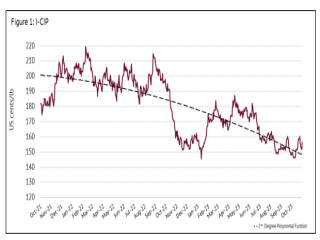
ICO, an international coffee organization, released its October report: global coffee exports fell sharply
According to the latest report released by the International Coffee Organization (ICO), the average composite index price in October was 151.94 cents / lb, down 0.8% from September 2023; the median was 151.58 cents / lb, with monthly prices ranging from 145.99 cents / lb to 160 cents / lb.

Coffee prices in Africa have risen sharply
As Brazil, the world's largest coffee producer, is affected by bad weather, coffee production has declined, and coffee is in short supply on the international market. On February 5, the auction price of 50kg coffee at the Nairobi Coffee Exchange in Kenya rose to US $208, up 19.5% from US $174 last week, reversing the decline in coffee auction prices since last year. Kenya currently produces about annual coffee.

History and culture of coffee in El Salvador
A brief History of Coffee production in 1742, coffee was introduced to El Salvador from the Caribbean (1740). In the mid-19th century, El Salvador's original export pillar Indigo (one of the dyes) received a gradual decline in the development of synthetic dyes in Europe, and coffee gradually became the main export product under the guidance of the government. In 1856, the first 693 bags of coffee beans were shipped to Europe. all long

Brief History and present situation of Coffee production
A brief History of Coffee production in 1742, coffee was introduced to El Salvador from the Caribbean (1740). In the mid-19th century, El Salvador's original export pillar indigo (Indigo, a kind of dye) industry received a gradual decline in the development of synthetic dyes in Europe, and coffee gradually became the main export product under the leadership of the government. In 1856, the first 693 bags of coffee beans were shipped to Europe.

Brief introduction of coffee production in El Salvador
A brief History of Coffee production in 1742, coffee was introduced to El Salvador from the Caribbean (1740). In the mid-19th century, El Salvador's original export pillar Indigo (one of the dyes) received a gradual decline in the development of synthetic dyes in Europe, and coffee gradually became the main export product under the guidance of the government. In 1856, the first 693 bags of coffee beans were shipped to Europe. all long

The situation of agricultural development in Vietnam is worrying. The price of coffee has dropped by 17%.
In order to promote agricultural development, the Yue Ministry of Agriculture and Rural Development proposed to expand the production of rice and aquatic products in the second half of the year. Chen Qingnan, vice minister of agriculture, said that in the second half of the year, especially after the signing of rice inspection and quarantine agreements between China and Vietnam, rice exports to China will usher in new opportunities, and provinces should encourage rice production and expand exports. Gao Defa, minister of agriculture, pointed out that it is necessary to strengthen

A brief history of coffee production in El Salvador
A brief History of Coffee production in 1742, coffee was introduced to El Salvador from the Caribbean (1740). In the mid-19th century, El Salvador's original export pillar Indigo (one of the dyes) received a gradual decline in the development of synthetic dyes in Europe, and coffee gradually became the main export product under the guidance of the government. In 1856, the first 693 bags of coffee beans were shipped to Europe. all long

Colombian cannon defaults, leading to a further rise in the price of Arabica coffee
Coffee production in Colombia has declined due to La Nina, according to a report by STiRTea&Coffee, the world's leading tea and coffee industry magazine, on October 4th, Colombia's coffee harvest in the 2020-2021 cycle was lower than expected due to La Nina climate problems.

A brief History of Coffee production in El Salvador
A brief History of Coffee production in 1742, coffee was introduced to El Salvador from the Caribbean (1740). In the mid-19th century, El Salvador's original export pillar Indigo (one of the dyes) received a gradual decline in the development of synthetic dyes in Europe, and coffee gradually became the main export product under the guidance of the government. In 1856, the first 693 bags of coffee beans were shipped to Europe. all long
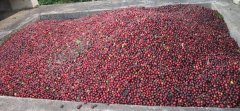
Effect of High temperature and drought in Brazil on Coffee Bean Agricultural products; World Coffee Bean production is on a sharp decline
Coffee prices soar after poor harvests and unmet demand as Brazil suffers from the worst drought in nearly 20 years, global consumption will exceed production this year as global coffee prices continue to rise and could push up the cost of breakfast tables as Brazil, the world's largest coffee producer, faces one of the worst droughts in nearly a century. Arabica
Brazilian production decline trading companies bet on Chinese coffee beans
According to the Wall Street Journal website on October 29th, commodities trading company EDF Man Holdings Ltd. Volcafe, a subsidiary, said on the 28th that it had signed an agreement with China Simao Arabica Star Coffee Co., Ltd. (Simao Arabicasm Coffee Company) to set up a joint venture to buy and sell coffee beans from Yunnan. According to the report, China

Brazilian coffee flavor taste manor production area boutique coffee beans introduce Brazilian coffee brands
In 2002, Brazilian coffee exports reached a 270-year high, with a total export volume of 27.99 million bags (60 kg each), an increase of 19.3 per cent over 23.46 million bags in 2001. Due to the decline in international coffee prices, coffee trade volume was 1.355 billion US dollars, down 5.4 percent from 1.432 billion US dollars last year. Brazil is the world's largest exporter of coffee, known as the kingdom of coffee. In the last 40 years

Sidamo Lion King characteristic Coffee Bean Flavor description Variety introduction
Sidamo Lion King characteristic flavor description of coffee beans taste treatment varieties introduce sun-cured coffee accounts for 65% of exports. Mainly picked by families, red coffee beans are placed on cement floors or on high tables to dry to about 11.5% humidity, then peeled and cleaned. Before the decline, coffee exports accounted for more than half of Ethiopia's foreign exchange earnings, but now they account for only about 35%.

Introduction to the Flavor characteristics of Tanzania Coffee
Due to political instability and rampant diseases and insect pests, the coffee industry in Tanzania has been damaged, resulting in a decline in the overall level of coffee and instability in quality, which in turn lead to lower prices, which is usually the result of a further decline in the coffee industry. What's more, it is estimated that more than 12% of the Arabica coffee grown in northern Tanzania from 1969 to 1985

Introduction to the Flavor characteristics of Tanzania Coffee
Due to political instability and rampant diseases and insect pests, the coffee industry in Tanzania has been damaged, resulting in a decline in the overall level of coffee and instability in quality, which in turn lead to lower prices, which is usually the result of a further decline in the coffee industry. What's more, it is estimated that more than 12% of the Arabica coffee grown in northern Tanzania from 1969 to 1985

Coffee producing area Tanzania
Coffee exports from Tanzania (Tanzania) play an important role in the whole national economy.

Coffee knowledge Coffee Origin Tanzania
Gourmet coffee has soft acidity and attractive aroma, which is absolutely worth enjoying. Coffee exports from Tanzania (Tanzania) play an important role in the whole national economy. Bean-shaped berry coffee is very productive and is said to be more fragrant than ordinary coffee. Generally speaking, the coffee beans in Tanzania have an extraordinary quality. For example, in the neighborhood of Kilimanja

Description of characteristics and flavor of Sidamo Lion King Coffee Bean introduction of variety grinding scale by taste treatment method
Flavor description of Sidamo Lion King Coffee beans before the decline in the introduction of the variety grinding scale, coffee exports accounted for more than half of Ethiopia's foreign exchange earnings, but now it accounts for only about 35%. However, according to the International Coffee Organization, coffee prices began to pick up in 2002, rising from 41 cents per pound in September 2001 to 52 cents per pound in 2002 and to every pound in 2003.

Description of characteristics and flavor of Sidamo Lion King Coffee Bean introduction of variety grinding scale by taste treatment method
Flavor description of Sidamo Lion King Coffee beans before the decline in the introduction of the variety grinding scale, coffee exports accounted for more than half of Ethiopia's foreign exchange earnings, but now it accounts for only about 35%. However, according to the International Coffee Organization, coffee prices began to pick up in 2002, rising from 41 cents per pound in September 2001 to 52 cents per pound in 2002 and to every pound in 2003.